Mikuni Wild Harvest, Tyler Gray, Tim Weighill, Gord Weighill, Grant Achatz, Masaharu Morimoto, Joel Robuchon, Charlie Trotter, Thomas Keller, Bradley Ogden, Norman Van Aken. Exotic wild mushrooms, cultivated mushrooms, Matsutakes, Blue Foots, Chanterelles, Hedge Hogs, Abalones, White Elfs, Candy Caps, Smoke Cured Brook Trout , Natural Cured Brook Trout Caviar Roe, Arctic Char Caviar; Roe Sea Asparagus, Sea Beans, Baby Purple Artichokes; Glacier Lettuce, Ice Plant, Hidden Rose Apples, Finger Limes, Black Garlic, Joel Robuchon, Bourbon Barrel Aged Maple Syrup, Blis, Huilerie Beaujolaise Vinegre de Citron, California Santa Monica Farmer's Market, Vancouver, Portland, Las Vegas, Foraging, Forager, Mushroom Forager.

















WHAT
Sustainable wild foods company.
WHY
Top chefs use their products. A food geek’s Disneyland.
MIKUNI WILD HARVEST
January 5, 2010
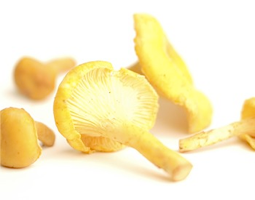
Blue Foots, Hedge Hogs, and White Elfs may sound like the cast from the Lord of the Rings, but to Tyler Gray they’re rare mushrooms that can bring him lots of cash. Tyler is a mushroom forager and one of the owners of Mikuni Wild Harvest, which is the discerning chef’s connection to the wild edible foods of North America.
The name Mikuni is the fusion of two Japanese words meaning “beautiful forest.” The company is owned by Tyler Gray and Tim and Gord Weighill, also foragers. In the 1980’s, the Weighills made a name for themselves by providing the Japanese speciality market with the highly sought-after Matsutake mushrooms.
These days, it’s a who’s who of chefs buying off the beaten track foods from Mikuni. Chefs like David Chang, Grant Achatz, Masaharu Morimoto, Joel Robuchon, Charlie Trotter, Thomas Keller, Alfred Portale, Bradley Ogden, and Norman Van Aken, just to name a few.
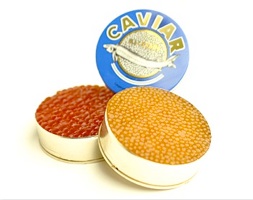
Their products range from wild edibles to Noble bourbon barrel maple syrups to wild caviar and roes. Chef de Cuisine Jason Hall (Gotham Bar and Grill) buys finger limes from Mikuni, which are citrus caviar beads and sell for $40 a 1/2 pint to use for acidity in ceviche.
Most of Mikuni’s products are only available directly through them, but some may be purchased online.
Advice & Tips

Foraging:
When asked about foraging Tyler equated learning to forage to learning to drive. You don’t just get in the car if you don’t know how to drive. Learn from someone with knowledge about wild foods. Otherwise, you may have a low success rate. But it can be an exciting and adventurous experience.
Tips on Cleaning Wild Matsutake Mushrooms:
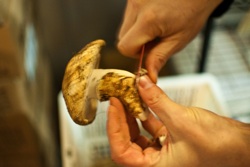
Tyler Cleaning A Matsutake Mushroom
Photograph by Find. Eat. Drink.
3. Wipe the mushroom with a cloth to remove the dirt.
4. To clean the remaining dirt, take a knife and clean off the layer of dirt.
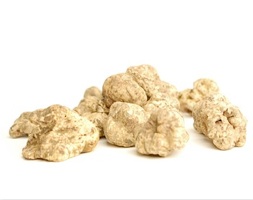
Tips on Storing Truffles:
1. Although you see truffles stored in rice, it’s not the best storage technique.
2. Truffles are 90% water so their shelf life is very short.
3. Ideally, use fresh truffles as quickly as possible.
4. Store them in a sealed container in a controlled atmosphere. Wrap them in a slightly damp paper towel and you might be able to squeeze two weeks out of a truffle (if you can resist the pungent charms).
5. Chefs buy in-season truffles in one pound increments, so that they don’t have any waste.




CONSIDER
You may pay a bit more, but you’re buying the haute couture of food.
RECOMMENDATIONS
Tyler Gray’s recommendations for restaurants and purveyors in Vancouver and New York.




Tyler Gray’s recommendations for restaurants and purveyors in Vancouver and New York.
RECOMMENDATIONS


Photographs courtesy of Mikuni Wild Harvest







