What
A classic cocktail recipe.
Why
Sometimes the classics are classics for a reason. That doesn’t mean you don’t have variations and choices to make it all your own.

















What
A classic cocktail recipe.
Why
Sometimes the classics are classics for a reason. That doesn’t mean you don’t have variations and choices to make it all your own.

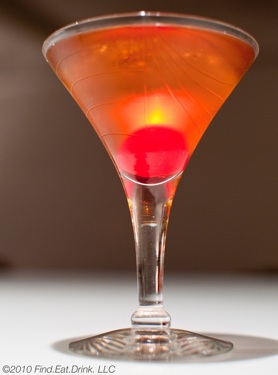

In the Fall, as the weather changes from warmer to cooler and fluctuates back and forth, the leaves change color, comfy sweaters get pulled out, and fires get started. When you think about making cocktails, remember the ones you may not have enjoyed in a while. The Fall is a perfect time for a Manhattan. It’s like inviting a friend over that you haven’t seen in a while - you can’t remember why you don’t see them more. It’s comforting, warming, complex, and fits just right.
The Manhattan dates back to the 1870’s and its history is a little murky, but the most frequently told story is that it was Winston Churchill’s mother, Lady Jenny Churchill, who invented it for a party at the Manhattan Club in New York.
For the simplicity that the Manhattan cocktail is: whiskey, sweet vermouth, bitters, the variations and decisions can make one’s head spin, but experimentation is what makes cocktails so enticing.
Choose your ingredients based on the nuance of the Manhattan you are looking for:
Whiskey

Rye, being the whiskey used in the original Manhattan recipe created in the late 1800’s, is preferable to bourbon. Sazerac Straight Rye and Michter’s Straight Rye work well, but John Ranking, the liquor buyer at Chambers Street Wines, recommended the Rittenhouse Straight Rye for its pure rye essence. Bourbon is distilled from corn rather than rye and makes the Manhattan sweeter than rye. Think of eating corn bread versus eating rye bread.
Vermouth

The choices for vermouth are almost as varied as for whiskey and bitters ranging from lighter and delicate to fuller and richer. The Carpano Antica Formula has a fuller complex style and is claimed to be made from the original 1786 recipe. You can try Martini & Rossi for a lighter, delicate style; Noilly Prat for a fruitier, bolder style; Punt e Mes for a stronger, distinctive style (made by the same producer as Carpano Antica); Vya for an even bigger, richer style. The key with vermouth is to balance and tame the whiskey while still allowing the whiskey to be center stage. It’s a balancing act.
Bitters

The classic bitters for a Manhattan is Angostura Bitters. But for an alternative twist, try Orange Bitters (e.g. Regan’s) which will provide a more orange zesty astringent Manhattan. Peychaud’s is another option; it’s gentian-based and has a sweeter, more floral, anise flavor than Angostura. Angostura Bitters creates a more integrated, rounder, more together Manhattan.
Garnish

The typical garnish is a maraschino cherry, but the sad fact about maraschino cherries these days is that they are imitation and pretty artificial. They were originally made by soaking cherries in 70-proof Maraschino cordial which is made from the juice of the Italian Dalmatian marasca wild cherry. Aside from their imitation status, they can still bring a sweet finishing (albeit child-like) component to a serious drinker’s drink.
Recipe Proportions

Next, choose the proportions of the ingredients to your liking. If you are using rye, more vermouth might be appropriate, as compared to using bourbon, where less vermouth is required. A good baseline to start from is a two to one ratio of rye to sweet vermouth with three dashes of bitters.
Shake or Stir?

Your final choice is to shake or stir. In the case of a Manhattan, purists would agree that there isn’t a choice. Bar-tending wisdom states: stir cocktails with straight spirits and shake cocktails with fruit juice, dairy, and eggs. Stirring straight cocktails reduces over dilution and avoids clouding of the cocktail. If you are going through this much effort for a cocktail, you might as well make it right and have it look attractive. It’s all about the texture, temperature, and taste.
Variations

There are endless variations on a theme, but at some point the variations become different cocktails. A Manhattan made with scotch is a Rob Roy. Made with half dry vermouth and half sweet vermouth, it’s a Perfect Manhattan. In the end, it’s not really the name that matters, but the cocktail that fits you just right.
A Perfect Time For A Manhattan
October 23, 2009












Share